Choosing the right budget-friendly sleeping bag can make a big difference on weekend hikes or multi-day trips. This guide highlights five affordable, lightweight options that balance warmth, compressibility, and durability. Each pick is designed to reduce weight without sacrificing comfort, helping you stay cozy under a variety of conditions without breaking the bank.
| Product | Brand | Temp Range | Notes |
|---|---|---|---|
| Teton Trailhead, 20 Degree Sleeping Bag | TETON Sports | Around 20°F (comfort varies by user) | Lightweight, roomy footbox |
| Sleeping Bags for Adults Backpacking Lightweight Waterproof | JEAOUIA | 50°F – 68°F (3-season) | Waterproof outer, hood drawstring |
| 0 Degree Winter Sleeping Bag (Big & Tall) | rioyalo | 5°F – 32°F | Extra length, lightweight for its size |
| Kelty Mistral Down Sleeping Bag (40 Degree, Long) | Kelty | 40°F | Budget-friendly, durable shell and liner |
| MalloMe Sleeping Bags for Adults | MalloMe | 50°F – 77°F | Ultralight and compact, kid-friendly options |
The following sections explore each product in more detail, highlighting what makes them strong budget picks for different camping styles and climates. Each entry stays objective and fact-based, focusing on practical features that affect comfort and transportability.
Teton Trailhead 20 Degree Sleeping Bag
Some links in this article are affiliate links. If you buy through them, this site may earn a commission at no extra cost to you.

The TETON Sports Teton Trailhead balances warmth and portability with a design focused on comfort. The fill is described as innovative and pack-friendly, delivering loft without excessive bulk. A roomy footbox adds space where campers often appreciate it most, while a zipper draft tube helps minimize heat loss around the zipper line. The included stuff sack simplifies repacking after a night in the backcountry. Overall, this bag aims to deliver reliable warmth for cool nights while remaining light enough for regular backpacking use.
Key points include: a light, loft-friendly microfiber insulation system for compressibility, a soft inner liner for comfort, and a practical approach to stuffing the bag away into its sack. The bag’s overall weight and packability make it a common pick for weekend hikers who want reliable warmth without high cost. While rated at 20 degrees, actual comfort will depend on your sleep system, layering, and metabolism.
JEAOUIA Sleeping Bags for Adults

This sleeping bag emphasizes versatility and value for three-season use. It accommodates most campers up to roughly 5 feet 11 inches, with dimensions around 31.5 by 86.6 inches. The bag uses a waterproof and breathable outer shell, an inner lining designed for comfort, and a thoughtful hood drawstring to seal in warmth. A side zipper at the foot area provides cooling or extra warmth as temperatures shift, which is particularly useful for fluctuating spring or autumn nights.
Notable aspects include a balance of warmth and breathability, a waterproof outer layer, and a design that prioritizes user-friendly adjustments. While it’s positioned as an affordable option, the construction aims to deliver reliable comfort in damp or variable conditions. This bag is well-suited for casual campers, family trips, and travelers who appreciate straightforward features without added weight or cost.
0 Degree Winter Sleeping Bag (Big & Tall)

The rioyalo 0 Degree Winter Sleeping Bag is designed for colder conditions and taller users. It features a long length with generous width, making it suitable for campers who need more space without sacrificing warmth. The bag is described as lightweight and highly portable, aided by a compression sack that keeps packing compact. It is rated for cold conditions (comfort around 32°F, extreme lower limits) and uses a 450GSM micro fiber fill to help maintain warmth even in damp environments.
Users should consider its tall and long dimensions if a snug fit is important for heat retention. The bag’s machine-washable design and foldability enhance maintenance and reuse. While it targets cold-weather use, individual comfort can vary with layering, ground insulation, and tent ventilation. Its oversized design means weight and space savings are balanced against the need for extra room in a pack.
Kelty Mistral Down Sleeping Bag (40 Degree, Long)

The Kelty Mistral is positioned as a budget-conscious down bag with practical features. The outer shell and inner liner use durable 190T ripstop- or Teffeta-like fabrics that balance weather resistance with comfort. The offset quilt pattern helps distribute insulation evenly, reducing cold spots and promoting consistent warmth along the body’s length. This makes it a sensible pick for three-season use where temperatures aren’t extreme, and the price point remains accessible.
Key considerations include the balance of down fill power and fabric durability, the bag’s weight class, and its suitability for regular backpacking. The Mistral’s design aims to deliver dependable warmth and durability without the higher costs associated with premium down bags. For budget-minded hikers, this is a practical choice that covers common cool-weather weekends and campouts.
Kelty Mistral Down Sleeping Bag (40 Degree, Regular)
This is another Kelty Mistral variant offering the same budget-friendly approach with a different sizing option. The 40°F rating, combined with sturdy construction and the familiar offset quilt pattern, provides reliable warmth with a lighter overall footprint. The regular size is a good fit for many average-height campers seeking compact packing and straightforward care.
As with the long version, this model emphasizes value without sacrificing essential comfort features. It remains a practical option for casual backpackers who want dependable performance at a reasonable price, with the added flexibility of choosing a length that matches their height and sleeping style.
Kelty Mistral Down Sleeping Bag (20 Degree, Long) 2025 Update
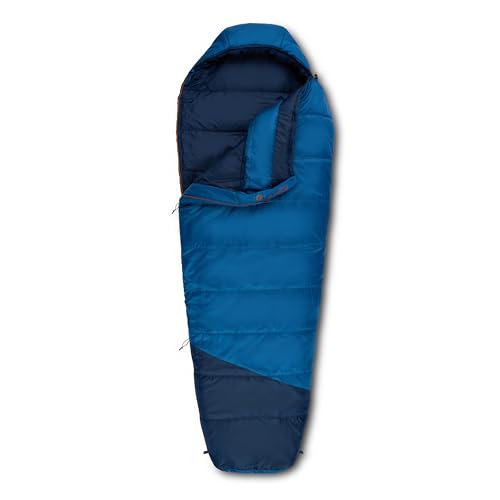
This 2025 update version tightens up the budget-down experience with durable recycled or Teffeta-inspired shell fabric and a quilted pattern designed to maximize insulation coverage. The 20°F rating signifies stronger warmth for winter or shoulder-season trips. The long cut accommodates taller users, reducing the likelihood of cold spots around the feet and legs. While still marketed as budget-friendly, this option aims to deliver dependable warmth when temperatures dip, alongside the typical Kelty emphasis on durability and practical design.
Coleman North Rim 0°F Big & Tall Sleeping Bag

The Coleman North Rim is designed for cold-weather comfort and larger campers. It features a 0°F compatibility with a big-and-tall fit that accommodates users up to around 6’2″. A Thermolock draft tube helps minimize heat loss along the zipper, contributing to warmth retention in frigid conditions. This bag aims to deliver reliable warmth for winter camping or chilly shoulder-season trips, while still offering manageable bulk and weight for a budget option.
For campers who prioritize a roomy interior and additional warmth, this model provides a solid option within a budget category. The combination of a warm rating, tall sizing, and practical draft protection makes it a dependable choice when winter camping is on the agenda and cost remains a consideration.
Buying Guide: Key Considerations for Budget, Lightweight Sleeping Bags
- Temperature rating and insulation type: Budget bags often use synthetic fills or lower-fill-down. Consider expected conditions and plan for sleeping system layers (sleeping pad, clothing) to align with the bag’s rating.
- Size and fit: Tall or wide individuals benefit from longer or wider cuts, which can affect warmth and portability. Ensure the bag fits comfortably without sacrificing mobility.
- Weight and packability: Look for lightweight fabrics and compact compression sacks. The difference between a bag that feels light on the trail and one that’s bulky in the pack can be substantial.
- Durability and materials: Durable outer shells and inner linings extend a bag’s life. Evaluate fabric denier, stitching quality, and how the bag handles moisture if you expect damp conditions.
- Ventilation and comfort features: Hood design, draft tubes, and foot vents can impact temperature regulation and comfort during variable nights.
- Maintenance: Some bags are machine washable while others require careful spot cleaning. Consider ease of cleaning for longer trips or frequent use.
- Value trade-offs: Budget bags may trade some premium features for lower price. Prioritize features that matter most to your sleeping style, such as warmth for winter trips or space for side sleepers.
- Choose a bag with a compatible sleep system: a good sleeping pad and an appropriate clothing layer can extend comfort well beyond the bag’s stated rating.
- Account for climate variability: If you camp in mountain weather, a bag with extra room for layering or a bag slightly warmer than your plan may reduce night awakes caused by cold toes or a clammy back.
- Assess portability needs: If you hike longer miles, prefer bags that compress smaller and weigh less, even if it means slightly reduced warmth in milder seasons.
- Read user reviews: Real-world experiences help reveal how a bag behaves in rain, humidity, or damp ground—critical for budget items that may see frequent use.