Planning a family camping trip in cold weather requires a tent that offers ample interior space, reliable weather resistance, and sensible ventilation. The following picks focus on multi-room designs, insulated stays, and sturdy construction to help families stay warm and comfortable outside. Each option below includes practical features like separate rooms, large vestibules, and durable fabric to handle chilly nights and damp mornings.
Summary of chosen products
Some links in this article are affiliate links. If you buy through them, this site may earn a commission at no extra cost to you.
| Product | Capacity | Key Features | Brand | Buy |
|---|---|---|---|---|
| CAMPROS Tent-8-Person Camping Tents | 8 | Waterproof, windproof, double layer, divided curtain | CAMPROS CP | View |
| AYAMAYA 6 Person Easy Pop Up Tent | 6 | Instant setup, two-layer, vestibule | AYAMAYA | View |
| Coleman Montana 8-Person Tent | 8 | Weatherproof, hinged door, rainfly | Coleman | View |
| CORE 12 Person Tent | 12 | Spacious, weather protection with taped seams | CORE | View |
| GoHimal 8 Person Tent | 8 | Waterproof fabric, multiple mesh windows | GoHimal | View |
CAMPROS Tent-8-Person Camping Tents

CAMPROS CP offers an 8-person interior with a straight-wall design and a 72-inch center height to maximize standing room for dressing and moving around. The tent uses a high-tech coating and sealed seams to provide water resistance, important for damp nights or light snow. The setup is practical for two people, with color-coated poles designed to simplify assembly in about 10 minutes. A divided curtain enables a flexible space layout, helping families create a private sleeping zone or a shared living area within the same tent.
AYAMAYA 6 Person Easy Pop Up Tent
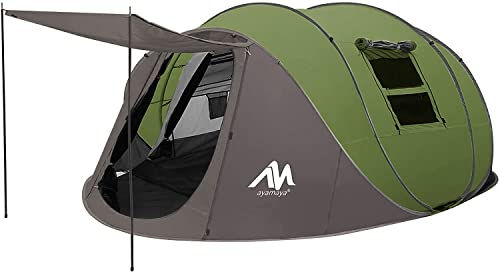
This AYAMAYA model is designed for effortless setup with pre-assembled poles and a two-layer configuration to curb condensation. The interior comfortably houses up to 4-6 adults or a combination of people and gear, while the vestibule area provides extra storage—useful for cold-weather gear, shoes, or pets. The design aims to balance quick deployment with stable performance in breezy conditions, making it suitable for families who want more time enjoying the outdoors rather than fiddling with poles.
Coleman Montana 8-Person Tent
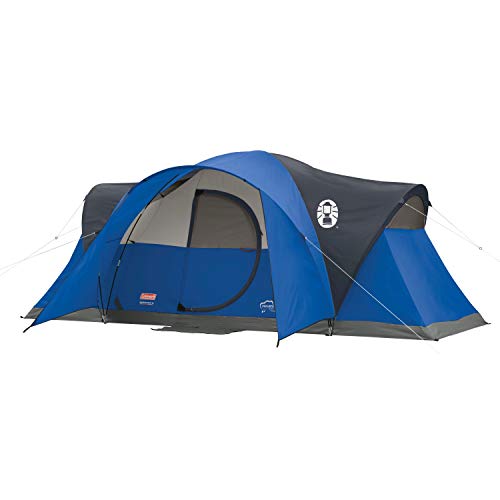
Coleman Montana emphasizes weather protection with welded corners, inverted seams, and an included rainfly for added coverage. The hinged door with an extended awning facilitates easy entry and exit in chilly weather, while built-in storage pockets help keep smaller items organized off the floor. This configuration supports family camping with reliable weatherproofing and a straightforward setup, which is beneficial during unpredictable late-season conditions.
CORE 12 Person Tent
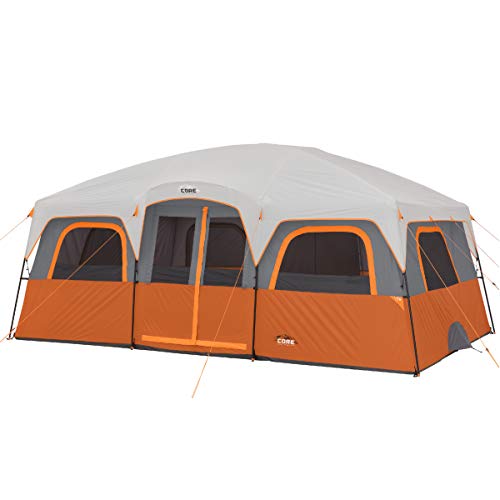
The CORE tent prioritizes interior space with a nearly straight-wall design and an expansive footprint: 16 by 11 feet with an 86-inch center height. It accommodates up to three queen-size air beds and is suitable for six people with gear or up to 12 without gear. H20 Block Technology, taped seams, and a fully taped rainfly contribute to weather protection, while guylines and steel stakes bolster stability in windy conditions—a practical balance for cold-season car camping or family trips.
GoHimal 8 Person Tent

GoHimal’s 8-person model features high-quality waterproof fabric with a PU2000 mm coating for moisture protection. It includes one large mesh door and multiple mesh windows to promote airflow in a cold environment while maintaining warmth through enclosed interior spaces. The dimensions—approximately 169 by 95 by 76 inches—provide ample room for three queen air mattresses or multiple sleeping bags, suitable for families prioritizing privacy and ample living space in chilly conditions.
Buying Guide: Key Considerations For Cold Weather Family Tents
When evaluating tents for cold-weather use, consider these dimensions to ensure comfort and safety for the family:
- Weather resistance: Look for taped seams, waterproof coatings, and robust rainflies to protect against snow, sleet, and rain. A front porch or vestibule helps keep boots and gear dry inside the tent.
- Interior space and layout: Straight-wall or nearly straight-wall designs maximize standing room. Multi-room setups with curtains or dividers help create separate sleeping and living areas, which improves privacy and warmth management.
- Ventilation vs. heat retention: A balance between mesh windows and covered vents prevents condensation while preserving warmth. Large mesh panels aid airflow on milder nights without sacrificing insulation.
- Setup and portability: Self-contained or instant-setup designs save time in cold weather weather when you want to minimize time outside. Consider weight, carry bag size, and setup steps for family convenience.
- Durability and materials: Durable fabrics, strong poles, and reinforced seams withstand winter winds and heavy use. Check pole color coding and assembly instructions for quicker, safer setup.
- Capacity and flexibility: If you expect extra gear, a larger footprint with a separate vestibule helps keep living areas uncluttered. For families growing with kids, a divided interior can offer adaptable space.
- Portability and storage: A compact carry bag and efficient packing reduce bulk for car trips and camping weekends. Look for tents that fold down easily and fit in trunk or backseat storage.
- Maintenance: Easy-to-clean interiors and removable, machine-washable fabrics simplify post-trip care, preserving warmth and comfort for future outings.
In evaluating these options, families should prioritize models that provide a mix of robust weather protection, spacious interiors, and sensible setups. Consider the typical length of camping trips, climate, and how often you anticipate repacking the tent after cold-weather use. The selections above strike a balance between quick setup, ample space for multiple sleeping arrangements, and weather-ready construction, helping families enjoy outdoor time even when temperatures drop.