For outdoor enthusiasts, a compact, warm, and lightweight down sleeping bag can make a world of difference on trips from three-season hikes to brisk autumn overnights. The following selections emphasize ultra-light down insulation, compact packing, and reliable warmth across a range of temperatures. Each option balances fill power, weight, and size to fit a variety of backpacks and operating conditions. Use this guide to compare top contenders and choose the best light down sleeping bag for your adventures.
| Product | Brand | Approx Weight | Fill Power & Type | Estimated Comfort Range |
|---|---|---|---|---|
| Naturehike Ultralight Backpacking Down Sleeping Bag (Green) | Naturehike | ~20 oz | 650 fill, duck down | 42–52°F (comfortable); 32–42°F (extreme) |
| ECOOPRO Warm Weather Sleeping Bag | ECOOPRO | ~1.7 lb | Non-down synthetic insulation (polyester lining) | 55–60°F comfortable |
| ZOOOBELIVES Alplive T400 Down Sleeping Bag | ZOOOBELIVES | ~1.7 lb | 650 fill down | 32–50°F range (comfort to lower limit) |
| XSOG Ultralight Down Sleeping Bag | XSOG | ~1.92 lb | 650 fill down | 55–45°F comfort range |
| TETON Trailhead Sleeping Bag | TETON Sports | Varies by model | Microfiber insulation (synthetic) | Various depending on model |
| Tuphen Down Sleeping Bag | Tuphen | Not specified | 800 g white down | 32–42°F comfortable; extreme lower temps |
Naturehike Ultralight Down Sleeping Bag (Green)
Some links in this article are affiliate links. If you buy through them, this site may earn a commission at no extra cost to you.

The Naturehike Ultralight Down Sleeping Bag is designed for three-season use with a compact profile and 650 fill duck down. It features two size variants (CW295 medium and CWM400 large) to tailor warmth and bulk to user height and preference. The bag emphasizes a high fill-to-weight ratio, delivering loft and warmth while remaining portable for hikers and campers. Down channels are designed to prevent shifting and cold spots, ensuring even warmth around the body. Practical notes include a recommended use temperature range and advice to fluff the bag before use for maximum loft. This model targets travelers seeking a balance of warmth, weight, and compressibility in a versatile outdoor bag.
Key features:
– Size options for different builds
– 650 fill power duck down for loft and warmth
– Independent down channels to prevent shifting
– Guidance on pre-fluffing to maximize loft
– Ideal for adventures where every ounce matters
ECOOPRO Warm Weather Sleeping Bag
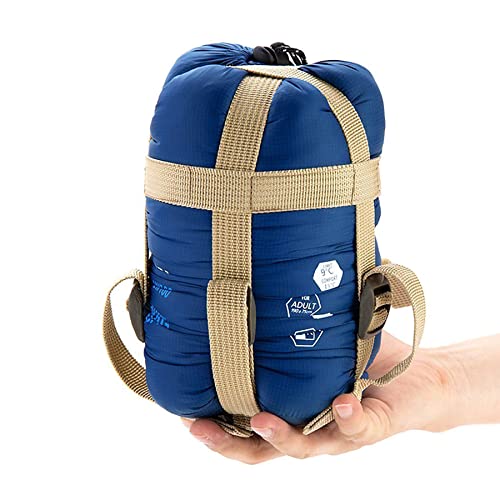
The ECOOPRO option emphasizes waterproof and weatherproof outer materials with a breathable interior, suitable for warm-weather camping and backpacking. Its compact, envelope-style design simplifies packing and minimizes weight without sacrificing comfort. The bag includes a weather-ready zipper and a practical internal footprint that accommodates adults or small groups. While it uses synthetic insulation rather than down, the design focuses on temperature regulation, durability, and ease-of-carry, making it a practical choice for travelers who prioritize packability and resilience in unpredictable conditions.
ZOOOBELIVES Ultralight Alplive T400 Down Sleeping Bag
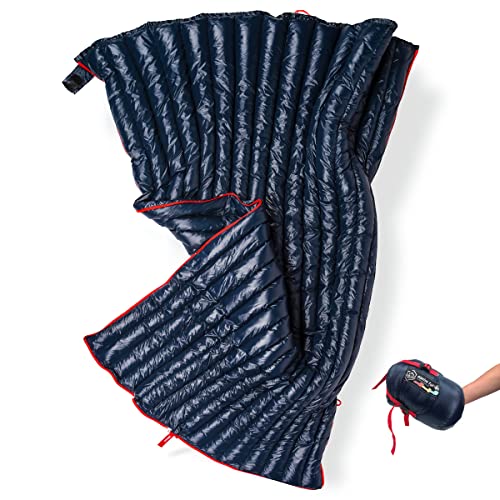
The Alplive T400 from ZOOOBELIVES targets ultralight backpacking with a compact 11″ x 6.7″ pack size and a 32–50°F comfort window. It uses 650 fill down to maximize warmth per gram, and its design supports scenarios from solo sleeping to shared warmth when paired with a second bag. Its featherweight construction makes it a preferred choice for minimalist travelers seeking maximum loft with minimum bulk. The bag also highlights a flexible design for venting and adjusting temperature by unzipping portions, which helps manage comfort without sacrificing warmth when the night warms or cools unexpectedly.
XSOG Ultralight Down Sleeping Bag

XSOG’s Ultralight Down Sleeping Bag uses a 20D 400T outer and 650 fill power to deliver a lightweight solution with practical features. Notable details include a luminous zipper pull for night-time access, a foot venting zipper, and an interior pocket for small valuables. The bag emphasizes compact storage, a generous length, and a defined temperature range that supports car camping and ultralight hiking alike. The design prioritizes minimizing feather migration and ensuring consistent loft, which helps maintain warmth without adding unnecessary weight.
TETON Trailhead Sleeping Bag

The TETON Trailhead focuses on a balance between warmth and packability with a soft liner and efficient microfiber insulation. The design includes a dedicated stuff sack to streamline packing and reduce bulk, a feature that helps maintain an organized pack on longer trips. While not a pure down bag, its lightweight construction and loft performance make it a strong option for hikers who prioritize reliability and ease of use in variable outdoor conditions.
Tuphen Down Sleeping Bag

The Tuphen down sleeping bag is described with about 800 grams of white down, designed to deliver warmth for comfortable and extreme temperature ranges. The bag includes a drawstring at the neck to minimize heat loss and enhance insulation. This model targets users who want robust warmth with an emphasis on compactness and a secure fit for colder outdoor nights, making it a compelling option for late-season camping or alpine excursions where weight control remains essential.
Buying Guide
- Fill power and weight: Higher fill power (measured in %33/650 or 800) generally means more warmth per ounce. Compare bags with similar weights to find the best warmth-to-weight ratio for your intended conditions.
- Insulation type: Down offers superior warmth-to-weight but can be susceptible to moisture. Synthetic insulation stays warmer when damp but is typically heavier. Consider your climate and packing weather protection accordingly.
- Temperature rating vs. comfort: Ratings provide guidance, but individual warmth varies. Check the bag’s recommended comfort and limit ranges and compare them with your typical overnight temperatures.
- Size options: Length and shoulder width influence comfort. Some bags offer multiple sizes to optimize loft and warmth for different body types.
- Packability and weight: Ultralight hikers should prioritize compact pack size and weight. Look for envelope or mummy shapes that compress efficiently without sacrificing loft.
- Durability and material: Look for ripstop shells, water-resistant coatings, and durable zippers. A well-sealed bag resists abrasion and helps protect insulation from moisture and wear.
- Vent options: Zippers that allow venting at the feet or chest can improve comfort in variable temperatures, particularly for shoulder-season trips or car camping.
- Care and maintenance: Down requires careful care to maintain loft. Check washing instructions and whether the bag is machine washable or requires spot cleaning and professional care.
- Budget and use-case: If you need frequent use in mixed weather, a synthetic or hybrid option may provide better reliability at a lower maintenance cost. For weight-focused travelers, a high-fill down bag is typically the best choice.
- Compatibility: Consider compatibility with sleeping pads and sleep systems. A well-matched pad can dramatically improve overall warmth and comfort.