When choosing a value-packed backpacking sleeping bag, the aim is comfort, practicality, and portability without overspending. This guide highlights five well-rounded options that balance warmth, weight, and durability for American hikers, campers, and backpackers. Each pick brings notable features to keep you warm, dry, and comfortable on weekend adventures or longer treks. Explore practical details, compare benefits, and find the best fit for your gear list.
Product Overview
| Product | Brand | Key Feature |
|---|---|---|
| ECOOPRO Warm Weather Sleeping Bag | ECOOPRO Store | |
| 0 Degree Winter Sleeping Bags for Adults | rioyalo Store | |
| Down Sleeping Bag for Adults 0°F to 20°F | ||
| REDCAMP Cotton Flannel Sleeping Bag | REDCAMP | |
| Camping Sleeping Bag, 32℉ |
ECOOPRO Warm Weather Sleeping Bag
Some links in this article are affiliate links. If you buy through them, this site may earn a commission at no extra cost to you.

The ECOOPRO sleeping bag features a nylon outer shell designed for waterproof durability, with a breathable 100% polyester lining. Its design emphasizes comfort in mild conditions, helping to maintain a stable sleep environment with a temperature range that suits warm-weather camping and backpacking. The compact profile and included compression sack support easy packing for weekend trips or long treks. The premium polyester interior aids heat retention while remaining skin-friendly for extended wear during sleep.
0 Degree Winter Sleeping Bags for Adults

This model targets colder conditions with a claimed temperature range suitable for winter adventures. Lightweight for a winter bag, it emphasizes portability through a compact size and a user-friendly folding design. The inclusion of a compression sack helps minimize packing volume, aiding in backpack-friendly transport for high-altitude treks or snowy camps. The bag’s microfiber construction aims to balance warmth with quick-drying performance, though user experience may vary with extreme moisture or wind exposure.
Down Sleeping Bag for Adults 0°F to 20°F

This bag is positioned for general camping with a moderate temperature rating and practical weight. The design emphasizes portability and everyday use for family trips, scout outings, and casual overnighters. While it includes a travel-ready profile, potential buyers should assess local climate expectations and whether a higher insulation level may be needed for late-season trips. Its simple build aligns with straightforward packing and quick setup, appealing to campers who prioritize ease of use over extreme winter performance.
REDCAMP Cotton Flannel Sleeping Bag

REDCAMP offers a cotton flannel interior designed for cold-weather camping. This bag emphasizes warmth with a soft interior and a practical envelope shape that’s comfortable for overnight stays in cool climates. While not a specialized cold-weather bag, its cozy lining and robust outer shell provide solid performance for early fall or spring camping trips. The inclusion of a lightweight, easy-to-pack design targets hikers and travelers seeking value without sacrificing basic warmth and comfort.
Synthetic Winter Sleeping Bag
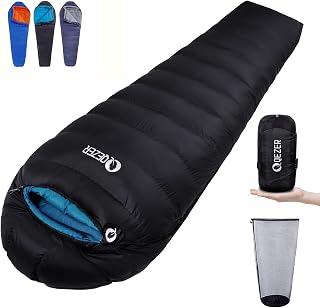
The Down Sleeping Bag covers a broad temperature range with ultralight insulation and a compression sack for compact packing. Down insulation is well-regarded for warmth-to-weight efficiency, making it a strong option for users who expect colder nights but want to minimize bulk. Buyers should consider loft, fill power, and care requirements to maintain performance over time, especially in damp or humid conditions where down can lose loft.
Buying Guide For Value Sleeping Bags
Buying guidance emphasizes selecting a sleeping bag that aligns with your typical trips. Consider warmth-to-weight ratio, packability, and weather resistance. For milder climates, a lightweight bag with waterproof shell might suffice, while winter excursions may require higher fill power down or synthetic insulation and robust draft protection. Assess fit, width, temperature rating, and care requirements. A balanced choice combines reliable warmth, compact packing, and durability at a reasonable price point, serving both casual weekend hikers and more committed backpackers.
Buying Guide: Key Purchase Considerations
– Climate and seasonality: Choose a bag with an appropriate temperature rating and insulation type for your most frequent trips. Mild conditions benefit from lighter, more compact designs, while winter outings demand higher warmth and wind resistance.
– Insulation type and weight: Down offers excellent warmth-to-weight but requires care in moisture-prone environments. Synthetic insulation remains warmer when damp and dries quickly, often at a lower price point.
– Shell and lining materials: A waterproof or water-resistant shell helps protect against rain and damp campsite floors. Breathable linings improve comfort by reducing overheating and moisture buildup inside the bag.
– Packability and fit: Consider bag length, width, and shape. Mummy shapes save space and heat, while rectangular designs offer extra room for movement. A reliable compression sack and a secure draft collar improve efficiency.
-Durability and care: Look for reinforced seams, quality zippers, and easy-to-clean fabrics. Some bags require special washing or dry-cleaning care, which affects long-term maintenance.
-Weight and portability: Backpackers benefit from lighter options that still deliver warmth. Balance weight with the bag’s comfort and warmth to fit your trekking style.
-Budget and value: Compare cost against warmth, features, and durability. A slightly higher upfront cost can translate to longer-lasting performance and fewer replacements.